
our role in greenhouse gas emissions
Our everyday lifestyle choices impact the amount of harmful greenhouse gases in the atmosphere. Not to worry! You have the power to reduce greenhouse gas emissions—primarily carbon emissions—by choosing to buy food from farmers using climate-smart agricultural practices. Learn more about greenhouse gases and how climate-smart farming offers a climate solution.
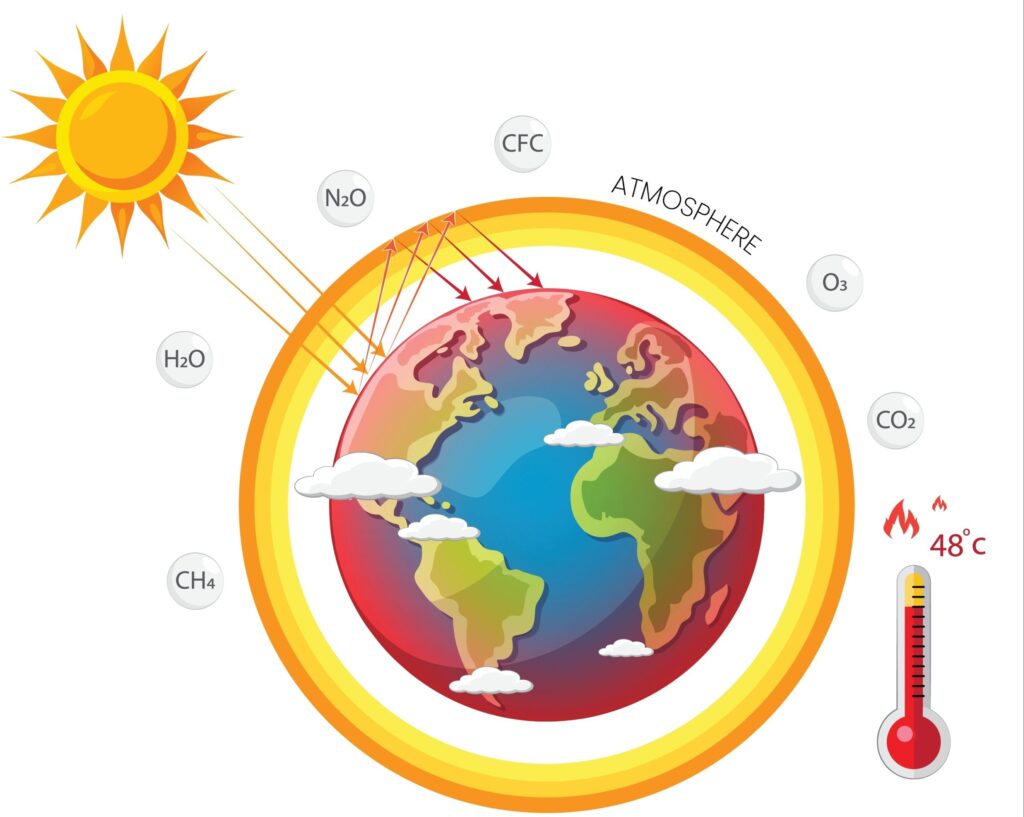
What Are Greenhouse Gases?
Greenhouse gases—primarily carbon dioxide but also methane, ozone, and nitrous oxide—have been released from soil and water into the atmosphere by natural processes for millions of years.
We need some amount of these gases, since they trap solar radiation and make our planet habitable. But the balance of this natural cycling tipped when people began to extract and release increasing amounts of carbon for human advancement, and the problem worsened when we became dependent on fossil fuels to power our lives.
The Role of Food Production in the Greenhouse Gas Cycle
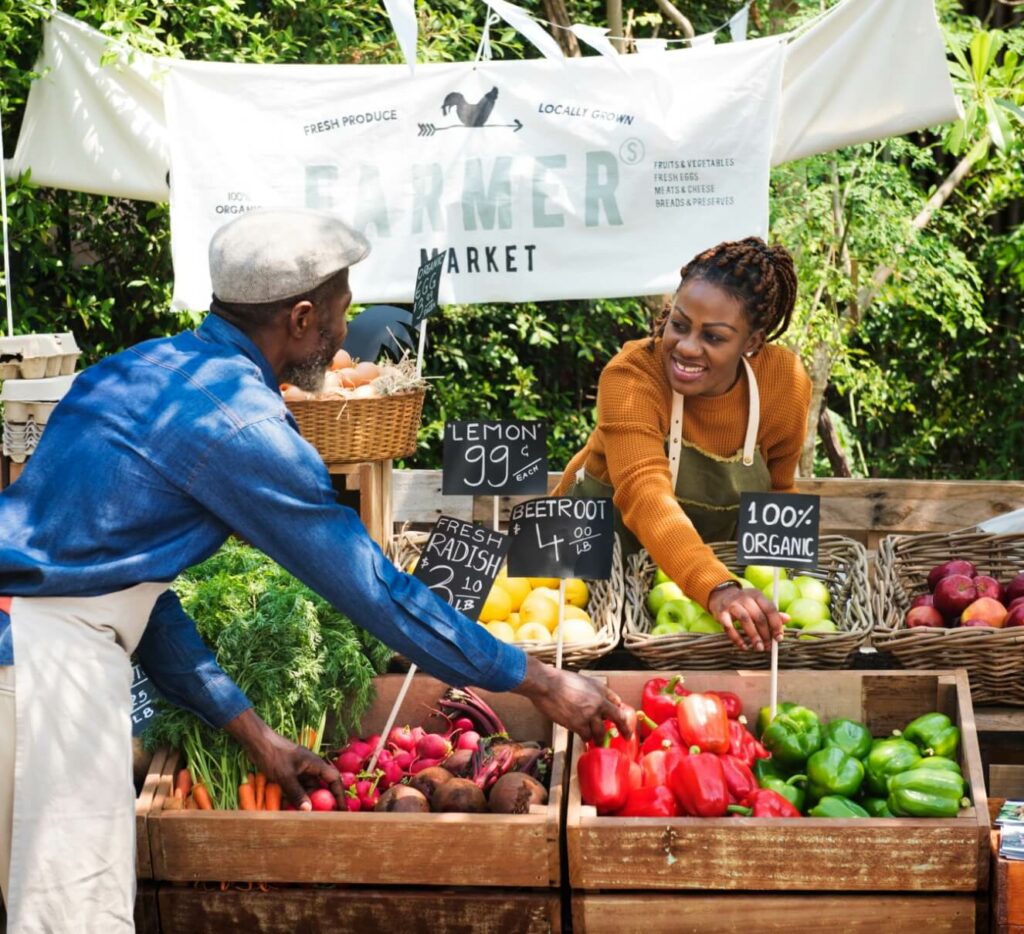
Farming is one of the contributors to greenhouse gas emissions – but it can also sequester carbon in the soil, reducing the amount of greenhouse gas in the atmosphere. Purchasing food directly from farmers who utilize climate-smart practices is a simple lifestyle choice you can make to help reduce greenhouse gases in the atmosphere.
How Carbon Impacts Climate
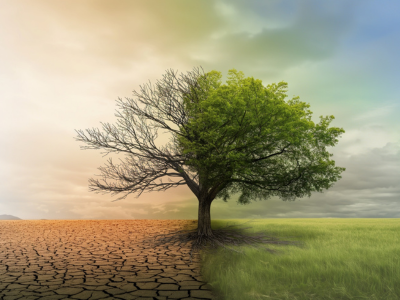
When the amount of carbon in the atmosphere increases, it causes a global rise in temperature. As carbon increases, heat is trapped and the atmosphere is warmed. Reducing the amount of carbon will help reverse the effects of climate change.
Partner Profiles the Southern Piedmont Climate-Smart Project
The Southern Piedmont Climate-Smart project is working with farmers and farmers markets in GA, AL, NC, SC and Virginia to study the impact of agricultural practices on soil health. Our project team combines perspectives from academic institutions, nonprofits, NGOs, and farmer associations to form one wholistic study of diverse vegetable farming in the Southern Piedmont.


Project Partner

Emory University is a leading research university, recognized internationally for its outstanding liberal arts colleges, graduate and professional schools, and one of the nation’s most comprehensive academic health care systems.
-

Dr. Eri Saikawa
Professor, Department of Environmental Sciences, Emory College of Arts and Sciences
Project Partner
FarmRaise helps farmers find and access the funding, resources, and support they need to build successful, resilient farms. Through its digital platform, FarmRaise makes it easier for farmers to discover grants, cost-share programs, and other financial assistance opportunities and understand how to apply for them.
By simplifying the often-complicated process of finding and accessing agricultural funding, FarmRaise connects farmers with programs that can help them invest in their operations, adopt new practices, and strengthen their businesses for the future.
Project Partner

Rodale Institute is a 501(c)(3) nonprofit dedicated to growing the regenerative organic agriculture movement through rigorous research, farmer training, and education. Our groundbreaking science and direct farmer-support programs serve as a catalyst for change in farming and food production worldwide. Over our 75-year history, we have proven that organic farming is not only viable, but essential to humanity’s survival.
-
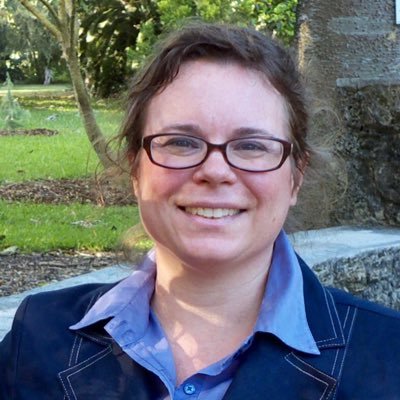
Dr. Kristie Wendelberger
Southern Region Research Director